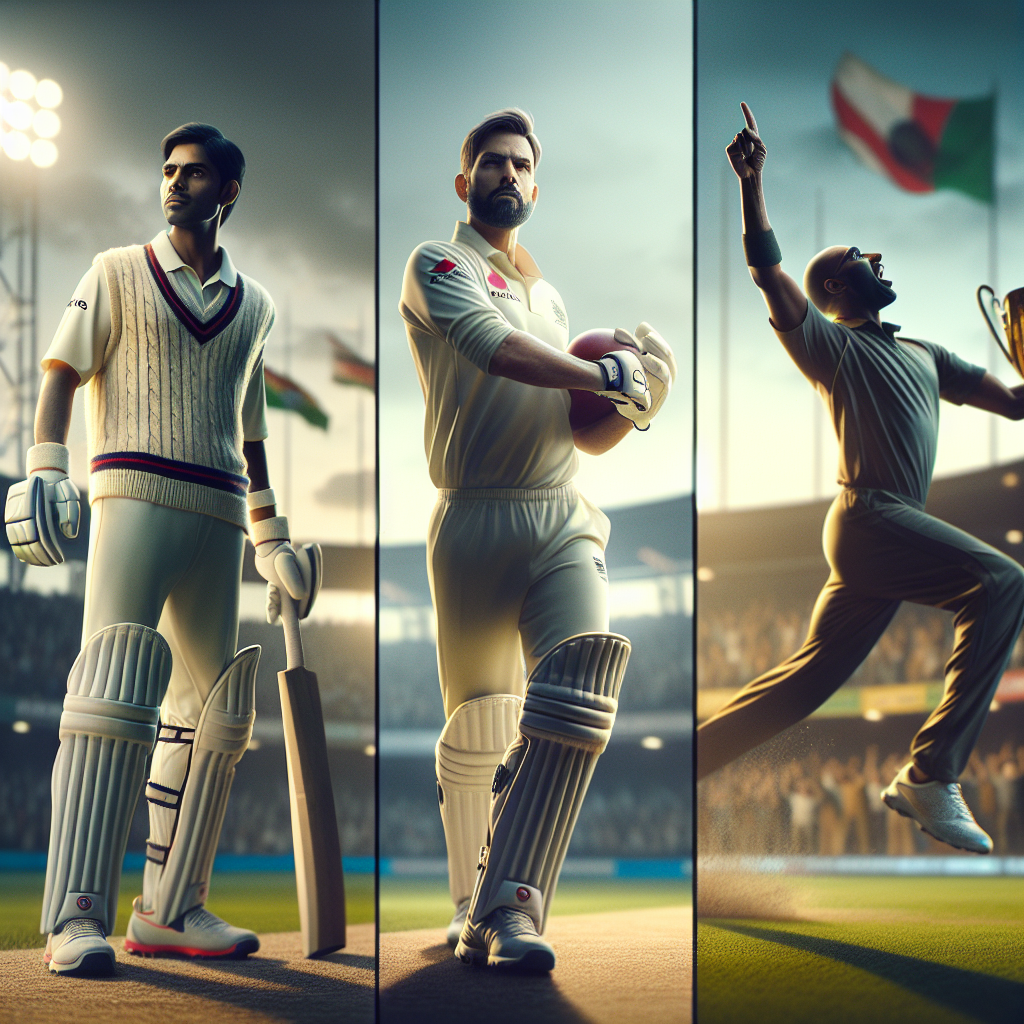
Leadership in cricket is as much an art as it is a science. The way a captain reads the game, handles personnel, and sets a culture can transform a side’s trajectory. Indian cricket has offered a fascinating portfolio of captains whose contrasting styles—ranging from fiery aggression to composed management—have shaped team performance across formats and eras.
Commanding Presence and Cultural Change
Sourav Ganguly ushered in an era where assertiveness and self-belief became the hallmarks of India’s approach. After a turbulent period for Indian cricket, his leadership emphasized overseas competitiveness, backing young talent and cultivating an aggressive mindset. Those cultural shifts did not change results overnight, but they laid the groundwork for later successes by creating a climate where players were encouraged to play without fear.
Composure Under Pressure
MS Dhoni personified calm. His decision-making in tight moments—late-order batting, bowling changes, and field placement—revealed an ability to process pressure and simplify complexity. Dhoni’s man-management was notable: he backed players in public, delegated responsibility, and often allowed individuals to flourish by providing clear roles. The tactical clarity he brought helped India secure landmark trophies, and his influence on team cohesion and clarity of roles improved match-to-match consistency.
Intensity and Transformation
Virat Kohli’s captaincy introduced a fitness-first, accountability-driven culture. His insistence on high standards—both on the field and in preparation—translated into a team that looked fitter, sharper and more relentless. Kohli’s style pushed players to develop resilience and a competitive edge, which reflected in a more aggressive fielding unit and an assertive batting lineup. While his intensity sometimes drew criticism for emotional moments, the broader shift in professionalism and performance metrics was unmistakable.
Inspirational and Adaptive Leadership
Kapil Dev’s captaincy in the 1980s demonstrated inspirational leadership, culminating in India’s unexpected World Cup triumph. He led by example with fearless performances and an ability to galvanize teammates underdog situations. Later leaders, such as Rahul Dravid, brought a steady, developmental approach—prioritizing systems, technique and long-term player growth—focusing on building depth and sustainability rather than short-term gains.
Modern Tactical and Delegative Trends
Rohit Sharma, with a history of IPL captaincy success, exemplifies a leader who blends calm with tactical nous. His ability to rotate leadership responsibilities, read match situations and manage bowling resources has proven effective in different formats. Modern captains increasingly rely on data, specialist coaches and support staff; the most successful ones integrate these inputs while retaining clear personal instincts at crunch moments.
Impact on Team Performance
Different captaincy styles produce varied outcomes: cultural architects lift long-term potential, tactical masters win key matches through in-game adjustments, and developmental captains build pipelines of talent that sustain success. The measurable impact is visible in team morale, overseas performance, and the emergence of match-winners who were entrusted early. A captain’s ability to define roles, manage egos, and create a resilient identity often matters more than tactical acumen alone.
In contemporary cricket, captaincy is also about building trust between players and the support ecosystem. Whether through the quiet reinforcement of Dhoni, the transformational zeal of Ganguly, the drive for excellence under Kohli, or the steady grooming that figures like Dravid represent, the central lesson is consistent: leadership shapes not only strategies and selections but the very psychology of a team. Those who study these skippers find that impact often persists long after a captain’s tenure, visible in a team’s temperament, selection policies and the belief that underpins performance.
